The Ultimate Kerala Resort Review: Where to Stay in God's Own Country
Recent Trends in Kerala's Resort Landscape
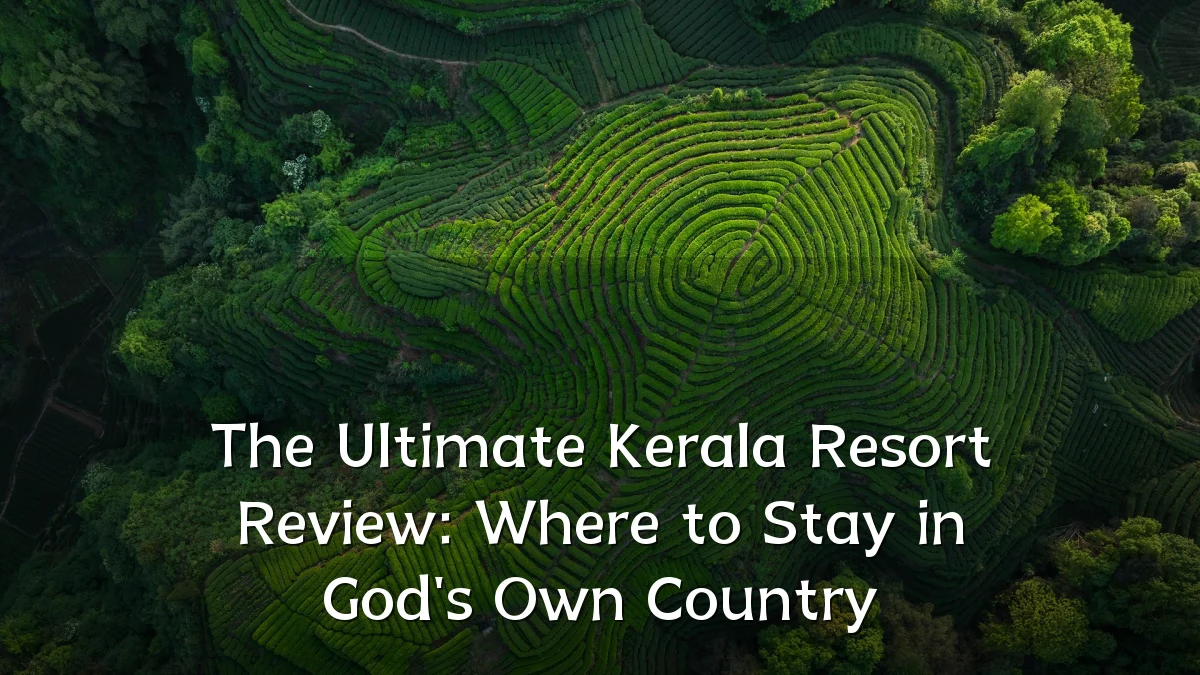
Over the past several seasons, Kerala's hospitality sector has seen a marked shift toward experiential stays that prioritize local culture, Ayurvedic wellness, and eco-conscious design. Resorts in districts such as Alappuzha, Munnar, and Kumarakom are increasingly marketing immersive backwater cruises, tea plantation walks, and traditional cooking classes as core offerings rather than add-ons. A growing number of properties have also adopted sustainable practices—rainwater harvesting, plastic-free initiatives, and support for local artisans—as traveler expectations around responsible tourism continue to rise.
Background: What Defines a Kerala Resort
Kerala resorts typically range from heritage bungalows converted into boutique properties to large plantation estates and contemporary lakeside retreats. Common features include:
- Location variety: Beachfront options along the Arabian Sea, hill stations in the Western Ghats, and houseboats or villas on the backwaters.
- Wellness focus: Many resorts offer in-house Ayurvedic treatments, yoga pavilions, and organic meal plans.
- Architecture: Traditional Kerala style with sloping tiled roofs, wooden ceilings, and open courtyards, though modern glass-and-steel designs are appearing in high-end segments.
- Pricing spectrum: Mid-range properties may charge per night in a moderate range, while luxury eco-lodges and heritage palaces command premiums during peak season (December to February).
User Concerns When Choosing a Resort
Travelers evaluating Kerala resorts tend to raise several recurring questions:
- Seasonal reliability: Monsoon months (June to September) can limit outdoor activities and scenic views; drier months offer clearer backwater cruises and easier access to hill stations.
- Accessibility: Remote resorts may require long drives or ferry transfers; guests with mobility concerns should verify step-free access and proximity to towns.
- Service consistency: While many properties receive praise for hospitality, reports note variable staff training and response times, particularly at budget-tier resorts.
- Crowd levels: Peak season often means fully booked properties and busy common areas; shoulder months (October and March) provide a balanced experience.
Likely Impact on Travel Decisions
The proliferation of online reviews and social media imagery has shifted how guests evaluate resorts. Travelers now weigh user-generated photos against marketing materials, and a handful of negative posts about cleanliness or noise can disproportionately influence booking behavior. As a result, resorts are investing in reputation management—offering stay credits for honest feedback and training staff to address issues in real time. This trend may ultimately raise baseline service standards across the state, while smaller boutique properties that cannot afford rapid response teams could face competitive pressure.
What to Watch Next
Several developments are worth monitoring:
- New openings: A few luxury and mid-scale eco-resorts are reportedly planned for northern backwater regions and Wayanad, potentially easing peak-season crowding in established hubs.
- Regulatory changes: Local authorities may tighten guidelines on construction near waterways and wildlife sanctuaries, affecting future resort capacity and design.
- Traveler profiles: A rising number of remote workers and long-stay digital nomads are seeking extended stays, prompting some resorts to introduce monthly packages and co-working facilities.
- Review platform trends: Video-first reviews on emerging platforms are gaining traction; resorts that proactively share authentic short-form content may hold a visibility advantage over those relying on text-only testimonials.