Unique Boutique Hotel Ideas in Kerala for a Memorable Stay

Kerala’s hospitality sector has long been defined by houseboats and beach resorts, but a growing wave of boutique hotel concepts is redefining the state’s accommodation landscape. Travelers seeking more than standard luxury are increasingly drawn to small-scale, design-forward properties that blend local culture with personalised service. This analysis examines recent shifts in boutique hotel offerings, the factors driving them, and what the future may hold for Kerala’s niche hospitality segment.
Recent Trends in Boutique Accommodations
The past few years have seen a notable rise in curated, experiential stays across Kerala’s backwaters, hill stations, and coastal towns. Operators are moving away from generic templates toward hyper-local themes, including plantation bungalows converted into intimate lodges, eco-conscious treehouses in private spice estates, and restored heritage homes in historic Fort Kochi. Digital-first booking platforms and social media influence have accelerated demand for properties that offer distinct photo-worthy interiors and authentic interactions with local communities.

- Agri-tourism integration: Working tea, coffee, and rubber estates now host boutique villas that offer harvest-to-cup experiences.
- Wellness-centric design: Many new properties incorporate Ayurvedic gardens, yoga decks, and organic kitchens as core amenities.
- Pop-up hospitality: Seasonal glamping setups near wildlife sanctuaries and coastal lagoons appeal to adventure-minded guests.
- Art and craft collaborations: Hotels commission local artisans for murals, furniture, and textiles, creating a sense of place.
Background of Kerala’s Hospitality Landscape
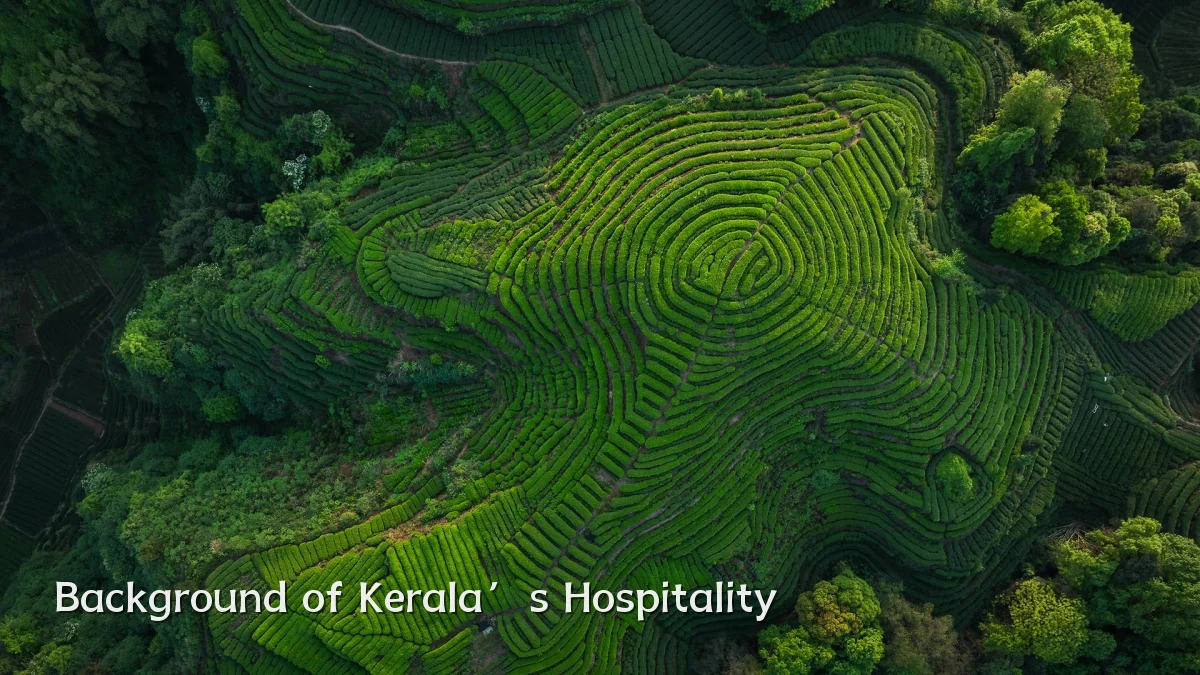
Kerala’s tourism infrastructure has traditionally centered on large resorts and government-run properties, with boutique offerings historically limited to a handful of heritage mansions. The state’s “God’s Own Country” brand attracted mass tourism for decades, but shifting traveler preferences toward sustainability and exclusivity have opened space for smaller, independently owned hotels. Regulatory changes allowing homestays and farm stays under responsible tourism initiatives further encouraged micro-entrepreneurs to convert family properties into boutique accommodations. However, the sector remains fragmented, with quality consistency varying widely between regions.
Key User Concerns When Choosing Boutique Hotels
Guests evaluating boutique properties in Kerala often weigh several practical factors that influence their booking decisions. While unique design and authentic experiences are primary draws, operational reliability and local context matter equally.
- Accessibility and transport links: Many boutique hotels are in remote locations with limited road connectivity or public transport.
- Service consistency: Smaller staff teams may lack the training or backup resources of larger chain hotels, leading to variable guest experiences.
- Seasonal availability and pricing: Peak winter months can see room rates double, while monsoon closures affect year-round planning.
- Environmental and social impact: Travelers increasingly request clear waste management, water conservation, and fair-wage practices before booking.
- Authenticity vs. commodification: Guests are wary of properties that market “local culture” but offer a sanitised, performative version of it.
Likely Impact of These Emerging Concepts
The proliferation of unique boutique hotel ideas is likely to redistribute tourist traffic away from overcrowded destinations such as Alleppey and Munnar toward lesser-known regions like Wayanad’s hinterlands, Kollam’s backwaters, and Kasaragod’s coastal hamlets. This could ease pressure on fragile ecosystems while channelling revenue directly to local landowners, craftspeople, and food producers. On the downside, rapid unregulated expansion risks overdevelopment in sensitive areas, particularly if zoning and waste management guidelines are not enforced uniformly. Established boutique properties that maintain high design and service standards may also face margin pressure as new entrants undercut on price without equivalent investment.
What to Watch Next in the Sector
Industry observers point to several developments that could shape the next phase of Kerala’s boutique hotel scene. First, the rise of curated booking platforms featuring vetting criteria for sustainability and authenticity will likely help standardise guest expectations. Second, the Kerala government’s updated homestay and farm-stay licensing framework—if implemented consistently across all districts—may legitimise many currently informal boutique operators. Third, collaboration between local tourism promotion councils and boutique hotel associations could lead to joint marketing campaigns showcasing clusters of unique properties rather than individual listings. Finally, climate adaptation measures, such as flood-resilient construction and off-grid energy systems, are becoming differentiators for forward-looking boutique hotels in Kerala’s monsoon-prone zones.