Discover Kerala: A 7-Day Family-Friendly Travel Program to the Backwaters and Hills
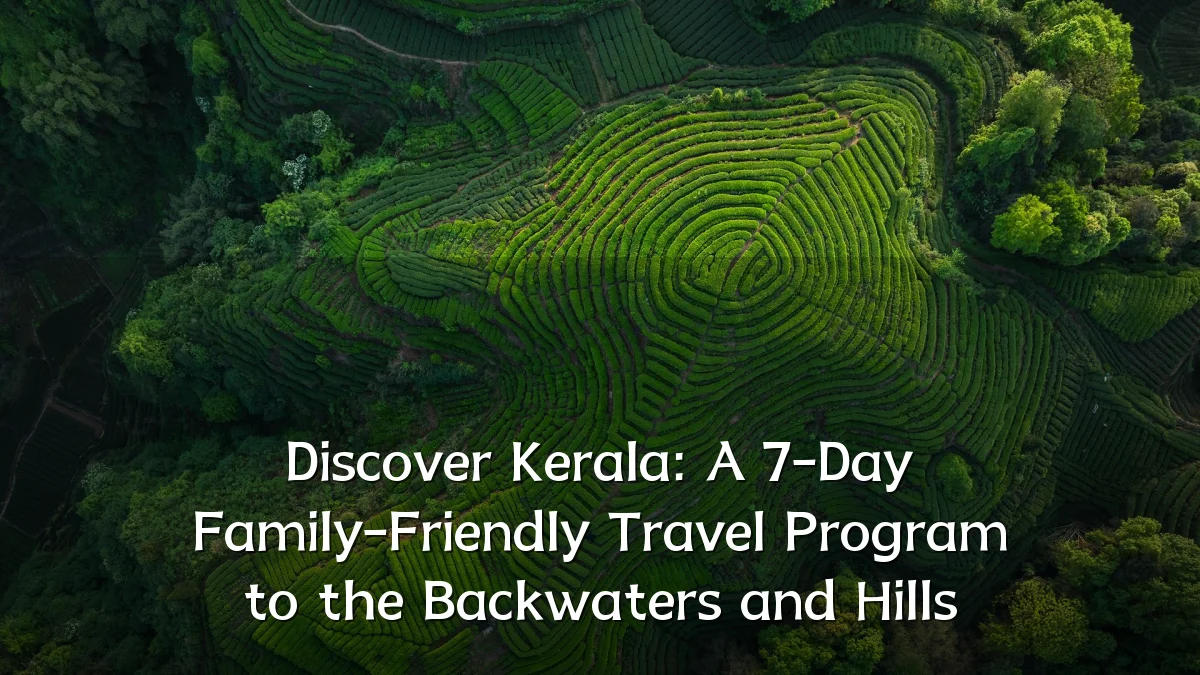
As family travel rebounds post-pandemic, curated itineraries that blend natural diversity with manageable pacing are gaining traction. Kerala’s backwaters and hill stations—often marketed as a single “God’s Own Country” experience—are now being packaged into week-long programs designed for multi-generational groups. This analysis examines the current trends, traveler concerns, and market implications of such a structured offering.
Recent Trends in Family-Oriented Kerala Itineraries
Travel operators report a shift away from rushed sightseeing toward slower, experience-based programs. A 7-day window allows families to combine a few days on a houseboat in the backwaters (typically Alleppey or Kumarakom) with a mid-week stay in cooler hill stations such as Munnar or Thekkady. Recent data from regional tourism boards indicate a 20–30% increase in inquiries for fixed-duration packages that include both ecological zones. Key trends include:
- Rise of “no-fly” domestic travel, with many families driving or taking overnight trains to Kerala from neighboring states.
- Growing demand for private houseboat charters with flexible meal timings and children’s activities.
- Increased interest in guided nature walks and spice plantation visits that appeal to both adults and older children.
Background: Kerala’s Backwater and Hill Tourism Infrastructure
Kerala’s backwaters have been a staple of its tourism identity since the 1990s, with the Vembanad Lake system hosting hundreds of converted rice barges. The hill stations, primarily Munnar (tea plantations) and Thekkady (Periyar Tiger Reserve), offer cooler temperatures and wildlife viewing. Historically, these two regions were marketed separately; the 7-day program represents a deliberate effort to combine them into a single, logistically smooth circuit. State tourism authorities have invested in road improvements and signage connecting these destinations, but the infrastructure for family-specific services—such as certified child-friendly houseboats or stroller-accessible nature trails—remains uneven.

Key User Concerns for a 7-Day Family Program
Families evaluating such a trip typically weigh convenience against authentic experience. Common questions include:
- Itinerary pacing: Three to four hours of driving between sections is typical; can younger children tolerate the road time?
- Accommodation quality: Budget houseboats sometimes lack air conditioning or soundproofing; hill station resorts may have steep stairs or no lifeguards at pools.
- Food options: Kerala cuisine is often spicy; families with picky eaters may require advance meal planning.
- Health and safety: Mosquito-borne illnesses and altitude changes in Munnar (elevation around 1,600 m) are minor but real concerns for some travelers.
Likely Impact on Regional Tourism Operators
The popularity of a standardized 7-day program could reshape how local operators market their services. Houseboat associations may begin offering tiered “family” packages with onboard kids’ kits and life jackets. Hoteliers in hill stations are already bundling entry fees to plantations and wildlife safaris into daily rates. On the downside, smaller homestays and independent guides risk being sidelined by larger aggregators that dominate online bookings. The overall effect is a moderate shift toward commoditization, though the state’s tourism department has historically encouraged small-scale operators through village tourism initiatives.
What to Watch Next: Sustainable and Customizable Packages
Two developments will likely shape the future of such programs. First, sustainability certification—houseboats and resorts that adopt solar power, waste treatment, and local sourcing may gain premium status in family travel lists. Second, modular itineraries that allow families to swap a day in the hills for a beach extension (e.g., Varkala or Kovalam) could broaden the appeal. Travelers and agents should watch for updated safety guidelines from Kerala Tourism’s Responsible Tourism Mission and any changes in houseboat licensing that affect group capacity. Immediate decisions hinge on booking window flexibility and cancellation policies, which remain variable across operators.