Plan Your Dream Kerala Trip: A Step-by-Step Travel Course

Recent Trends in Kerala Travel Planning
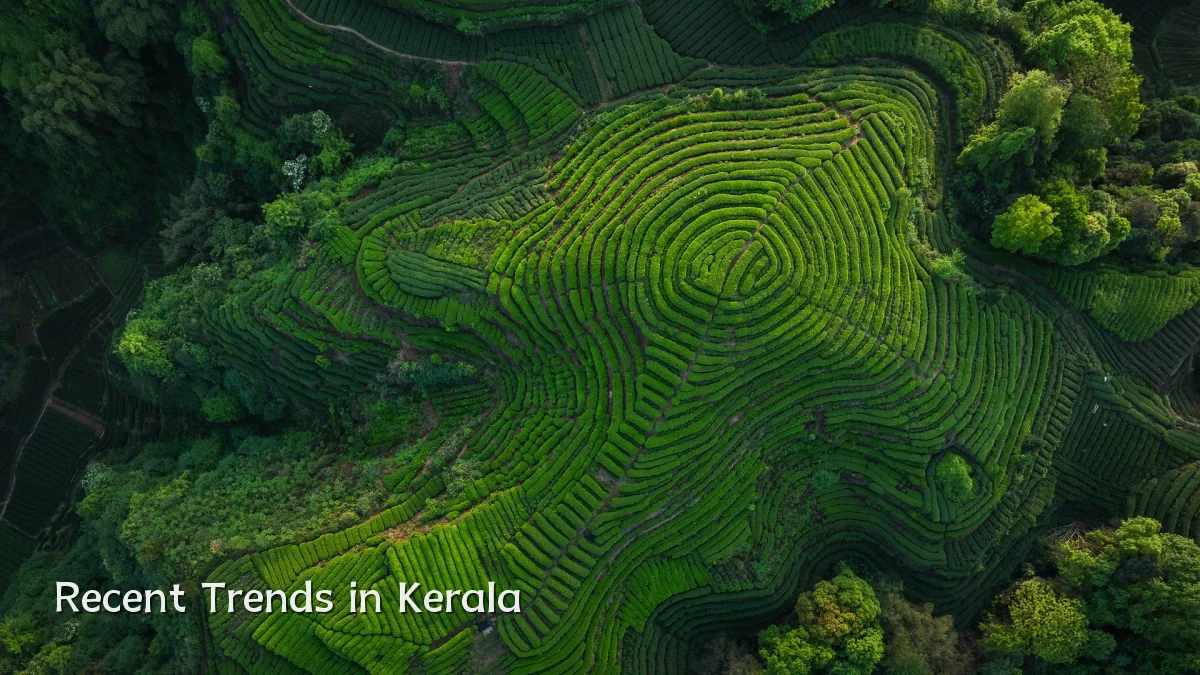
In the past year, travelers have increasingly sought structured itineraries and expert-led guidance for visiting Kerala. Online platforms and local tour operators now offer modular "travel courses" that break down the state’s diverse regions—from the backwaters of Alappuzha to the hill stations of Munnar—into manageable planning steps. User-generated content on social media highlights a shift toward self-paced, research-heavy trip design rather than pre-packaged packages.
- Rise in demand for off-season travel guides (June–September) to leverage lower prices and fewer crowds.
- Growing interest in homestay and eco-lodge stays over chain hotels, requiring advance vetting of local hosts.
- Integration of travel apps that map out daily budgets, transport options (houseboat, ferry, bus), and monsoon forecasts.
Background: Why a Step-by-Step Course Resonates Now
Kerala’s tourism model has long emphasized natural and cultural assets—backwaters, Ayurveda, festivals like Onam—but travelers often cite navigation complexity as a barrier. A "travel course" consolidates practical steps: choosing a season, routing between districts, booking houseboats at fair market rates, and understanding local customs. This mirrors broader travel trends where first-time visitors to India’s southern states want phase-by-phase assurance without over-reliance on travel agents.
Typical course modules cover: (1) Selecting a base region (e.g., Kochi for coastal, Thekkady for wildlife), (2) Pacing between 7–14 days, (3) Booking transport in advance for peak December–January window.
User Concerns Addressed by Structured Planning
Frequent pain points include monsoon timing confusion (southwest vs. northeast monsoon), hidden costs in houseboat rentals, and overspending on guided tours. A step-by-step approach lets travelers set thresholds:
- Seasonal risk: Courses advise avoiding coastal travel during July–August unless prepared for heavy rain; hill destinations remain viable.
- Budget control: Breaking down daily costs per person (₹2,500–₹5,000 typical mid-range) and flagging variable items like spice plantation tours.
- Itinerary density: Limiting to two regions per week to avoid transit fatigue.
Likely Impact on Travel Preparation
If adopters follow a structured course, the result is often more efficient time allocation and reduced last-minute stress. Early adopters report improved ability to compare houseboat operators using standardised checklists—capacity, route length, meal inclusion. The downside is potential over-planning, which can crowd out spontaneous village walks or local food discoveries. Neutral analysts note that the course model works best for high-involvement travelers; spontaneous tourists may find a curated package more rewarding.
What to Watch Next
Three developments are worth monitoring:
- Course digitization: Several state tourism partners are piloting interactive web-based planners that update real-time on event cancellations or road closures.
- Localized modules: Specialized courses for solo female travelers, photographers, and culinary tourists are emerging, each with distinct routing and safety tips.
- Post-pandemic booking changes: Flexible cancellation policies remain a deciding factor; courses that embed “plan B” routes for blocked ghat roads or ferry strikes will gain traction.