How to Explore Kerala's Backwaters and Hill Stations on a Tight Budget
Recent Trends in Budget Travel to Kerala
In recent years, domestic and international travelers have shown increased interest in low-cost itineraries that combine Kerala’s two signature landscapes—the serene backwaters and the cool hill stations. Social media and travel blogs have popularized “slow travel” approaches, where tourists spend longer periods in fewer locations to reduce transport costs. Homestay platforms and government-run budget accommodation schemes have expanded choices for price-conscious visitors. Additionally, off-peak travel periods (typically mid-year and post-monsoon months) see a noticeable shift in booking patterns, with many opting for shorter, targeted trips rather than extensive tours.
Background: Why Kerala’s Backwaters and Hill Stations Attract Budget Travelers
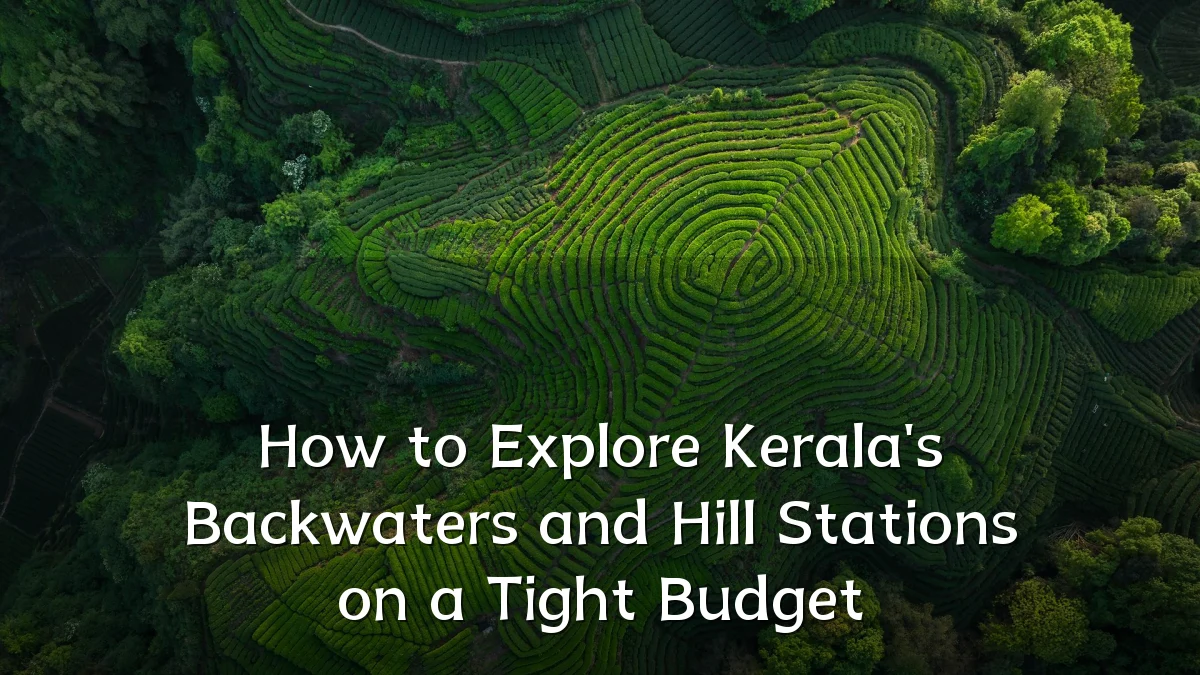
Kerala has long been marketed as a luxury destination, but its geography and tourism infrastructure also support affordable exploration. The backwaters—a network of lagoons, lakes, and canals—can be experienced without private houseboat rentals by using public ferry services and village canoe rides. Hill stations such as Munnar, Wayanad, and Thekkady offer budget-friendly trekking routes, tea plantation walks, and wildlife entry fees that remain moderate compared to similar experiences elsewhere. The state’s extensive network of state-run buses and affordable train services connects these regions, reducing the need for expensive private cabs. Many small-scale guesthouses and cooperative-run lodges provide basic but clean accommodation in both backwater towns and hill station hamlets.

Key User Concerns When Traveling on a Tight Budget
- Transport cost unpredictability: Auto-rickshaws and taxis in tourist areas often quote variable fares. Users worry about hidden surcharges for luggage or late-night rides.
- Accommodation quality vs. price: Extremely low-cost options may lack hot water, mosquito nets, or reliable Wi-Fi. Travelers seek indicators of cleanliness and safety.
- Meal expenses: Eating at tourist-oriented restaurants on the water or at hill station viewpoints can escalate costs. Locals often advise finding small “thatthukada” (street-side eateries) or using homestay meal plans.
- Time management: Limited budgets mean fewer days to spare. Users worry about fitting both backwater boat trips and hill station hikes into a short schedule without overspending on fast transport.
- Hidden fees: Entry fees for wildlife sanctuaries, camera permits, or parking charges can add up. Advance research is needed to avoid surprises.
Likely Impact of These Budget Strategies on the Travel Experience
Choosing economy options can significantly stretch a traveler’s stay—a week-long itinerary covering Alleppey’s backwaters and Munnar’s tea estates is feasible on a per-day budget that is less than half of a typical mid-range package. However, compromises are inevitable. Public ferry schedules are fixed and may not align with ideal sunset views. Shared accommodation in dormitories or basic rooms reduces privacy. The quality of included meals may vary. On the positive side, budget travel often leads to deeper local engagement: riders on public buses interact with residents, and guests at homestays gain insight into daily life. The trade-off between comfort and authenticity is a central consideration for many.
What to Watch Next in Kerala’s Budget Travel Landscape
- Expansion of low-cost houseboat alternatives: Several cooperatives are piloting “kettuvallam” (traditional rice barges) with shared cabins at rates well below private charters. Their success could reshape backwater tourism.
- Digital tools for itinerary planning: New apps and community forums are emerging to crowdsource real-time transport schedules, homestay reviews, and seasonal discount alerts.
- Government policy on homestay registration: Stricter licensing and quality standards may affect the supply of ultra-budget rooms, potentially increasing prices or improving reliability.
- Seasonal demand shifts: If more travelers adopt off-peak travel, competition for peak-season budget slots may ease, while shoulder-season pricing could become more dynamic.
- Integration of remote hill station routes: Improved road connectivity to lesser-known spots like Gavi or Vagamon may offer new budget-friendly alternatives to crowded Munnar.