The Ultimate Kerala Travel Guide: Backwaters, Hill Stations & Culture

Recent Trends in Kerala Tourism
Over the past several travel cycles, Kerala has seen a steady shift toward longer, more immersive itineraries. Visitors are increasingly combining a houseboat stay in the backwaters with a multi-day retreat in the hill stations of Munnar or Wayanad, rather than opting for quick stopovers. There is also a notable uptick in demand for homestays and boutique properties that offer direct engagement with local communities—cooking classes, spice plantation walks, and traditional performing arts in intimate settings.
- Rise of "slow travel" packages: 7- to 10-day itineraries that blend water, mountains, and cultural sites.
- Growth in solo and female travel groups booking guided heritage walks in Fort Kochi and Thiruvananthapuram.
- Increased interest in eco-certified houseboat operators and sustainable resorts along the backwater belts.
Background: The Three Pillars of Kerala's Appeal
Kerala's positioning as a diverse destination rests on three interconnected assets. The backwaters—a network of lagoons, lakes, and canals stretching from Kollam to Alappuzha—provide a unique water-based experience. The Western Ghats hill stations offer cool escapes, spice gardens, and tea plantations. And the state’s cultural fabric, including Kathakali, Theyyam, and its distinct cuisine, draws travelers seeking depth beyond scenery. These elements have been promoted by the state tourism board for decades, but the current travel environment has pushed for more curated, thematic trips.
- Backwaters: Houseboat cruises, kayaking, and village-side homestays in Alappuzha, Kumarakom, and Kollam.
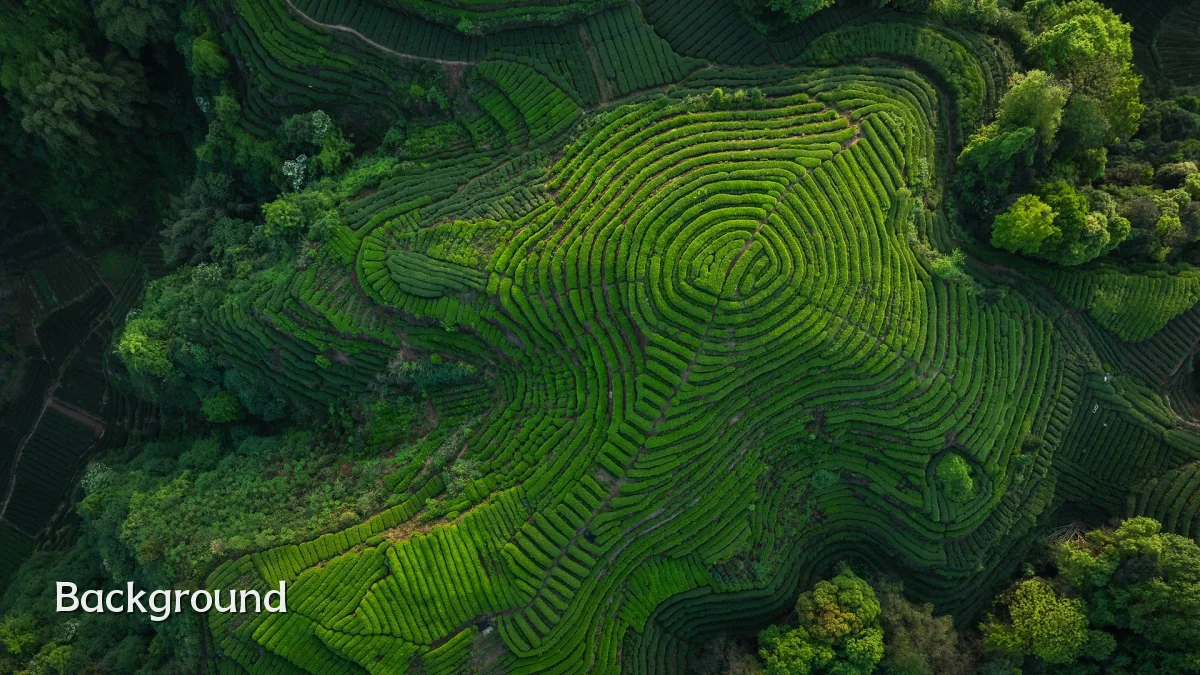
- Hill Stations: Munnar (tea country), Wayanad (wildlife and coffee), and Thekkady (spice plantations and Periyar Tiger Reserve).
- Culture: Fort Kochi heritage zone, Thrissur Pooram (festival season), and temple architecture in towns like Padmanabapuram.
User Concerns
Travelers planning a "complete Kerala" trip face a few recurring practical questions. The primary concern is how to connect the three regions efficiently, given that distances between the backwaters, hill stations, and cultural hubs can require 3–5 hours of road travel per leg. Accommodation quality and seasonality also matter: monsoon (June–September) is ideal for Ayurveda and lush views but limits backwater cruising, while peak winter (December–February) demands advance booking and higher rates. Budget-conscious visitors often struggle to find transparent pricing for houseboats, where rates vary widely by size, duration, and onboard services.
- Route planning: Most first-time itineraries start in Kochi (access to backwaters and culture), move to Munnar or Thekkady, and end at a beach or backwater point in South Kerala.
- Houseboat price ranges: Private houseboats for two people can fall in a wide bracket depending on season; group tours or shared cruises offer a lower-cost alternative.
- Weather window: The post-monsoon months (October–November) offer moderate crowds and green landscapes, while December–January is peak tourist season.
Likely Impact on Travel Decision-Making
The trend toward all-in-one itineraries is likely to increase pressure on smaller destinations such as Kumbalangi (fishing village experience) and Vagamon (off-beat hill station) to manage visitor flows without losing authenticity. Travelers who prioritize a "complete" experience may need to trade depth for breadth: covering all three pillars in a single week typically means limited time at each stop. This could encourage more 10- to 14-day trips, which in turn benefit local homestays and small-scale guides. The demand for pre-planned, fixed-departure small-group tours may also rise, as they simplify logistics for solo travelers and couples.
- Short trips (5–7 days) may require dropping one region or focusing on a single corridor (e.g., Kochi–Munnar–backwaters).
- Longer stays (10+ days) allow for side excursions to less-visited areas like the Malabar coast or Silent Valley National Park.
- Online booking platforms are likely to expand dynamic packaging options that combine houseboat nights, plantation stays, and city walks.
What to Watch Next
Three developments deserve attention for anyone planning a Kerala itinerary in the coming seasons. First, the state’s push for "Responsible Tourism" certification is expected to make it easier to identify operators that meet sustainability standards—watch for official tags on houseboat and homestay listings. Second, infrastructure upgrades in the hill station access roads, particularly to Munnar and Wayanad, may affect travel time reliability; periodic roadwork during the dry season can cause delays. Third, the cultural calendar—including temple festivals like Thrissur Pooram (typically April–May) and the Kochi-Muziris Biennale (held every two years)—can dramatically shape both crowd levels and accommodation availability, so checking event schedules early matters.